

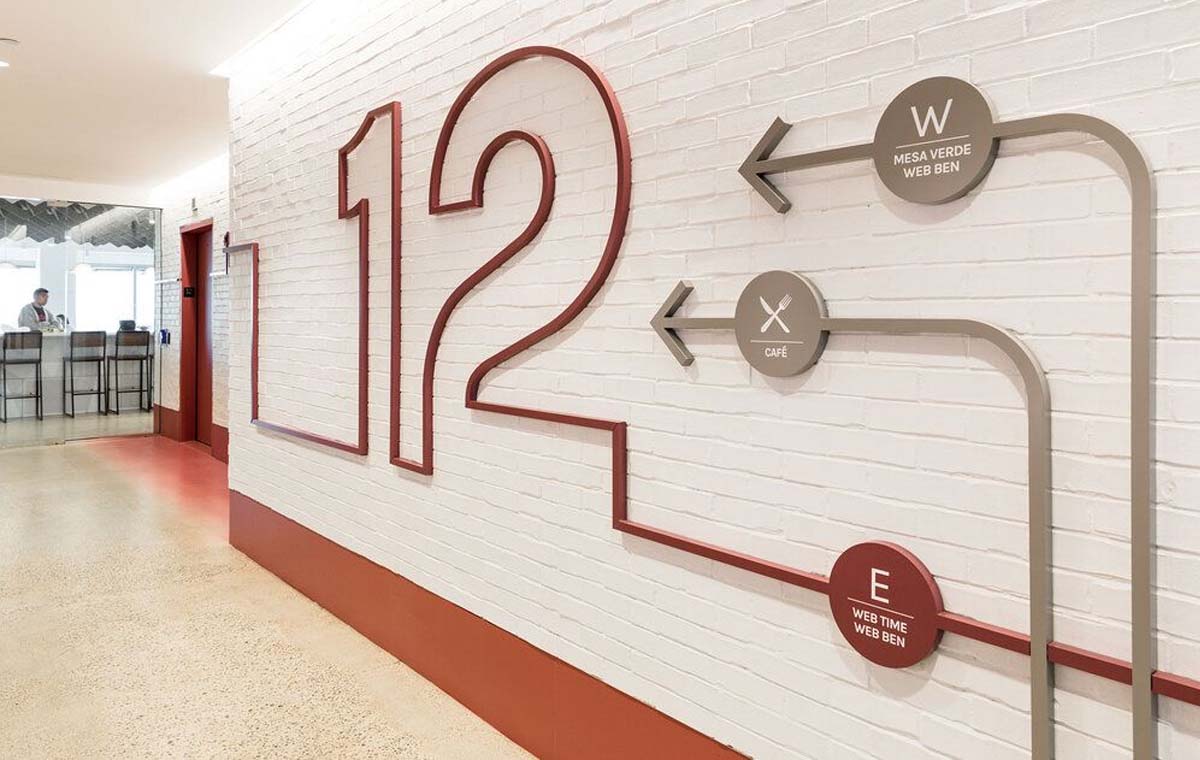
Traveling through unfamiliar, expansive areas can elicit frustration without obvious steering. This is where wayfinding signs come in—they’re the silent assistants that help individuals progress confidently and efficiently through environments like medical centers, college campuses, international airports, and commercial developments. In this conclusive guidebook, we’ll investigate how well-designed wayfinding markings enhance navigation, better the user experience, and back accessibility as well as security. Whether you’re planning a new place or upgrading an existing one, comprehending the principles of powerful wayfinding is pivotal.
Understanding the Brain Science Behind Wayfinding: How Our Minds Navigate the World
The Cognitive Psychology Underlying Wayfinding Indicators
Wayfinding is fundamentally interwoven with cognitive psychology, delving into how people perceive, process, and employ spatial data to roam their surroundings. Our brains are outfitted with sophisticated mechanisms that interpret external cues, such as symbols, landmarks, and spatial layouts, assisting in our ability to orient ourselves in various settings. A meaningful component of this process involves cognitive mapping, where we build mental representations of spatial relationships and routes. Studies in spatial cognition reveal that our brains organize information based on prior learning and sensory encounters, allowing us to make judgments effectively when faced with intricate environments. Wayfinding signs function as crucial navigational aids, bridging the gap between perception and action by offering clear directional clues that guide individuals through their journey.
The Role of Memory in Navigational Skills
Our episodic and semantic memories contribute greatly to how we learn routes and spaces. Repeatedly traversing locations enables the formation of associations between landmarks, signage, and directions in our memory. Over time, these associations become ingrained, allowing for more efficient wayfinding. Working memory also facilitates navigation by briefly retaining instructions. Effectively designed signs leverage visual elements to simplify complex information and reinforce memory in a memorable yet expedient manner. This interplay of cognitive processes illustrates why considered placement of signage can notably enhance navigational fluency while reducing mental strain, ultimately cultivating a smoother experience.
How Environmental Design Shapes Navigation Habits
The arrangement of the built environment, including lines of sight, organization of areas, and presence of recognizable features, heavily dictates how we perceive and interact with our surroundings. It is here that effective wayfinding solutions prove invaluable. Intentional design consults how signs can complement architecture intuitively, guiding navigation fluidly without overwhelming users. Studies evidence that harmoniously integrated indicators situated with traffic and behavior in mind notably clarify paths and lessen anxiety when unfamiliar. For instance, incorporating natural flows and visual motifs reinforcing overall style nurtures an ambient setting conducive to instinctive yet relaxed wayfinding.
The Craft of Signage: Designing Messages that Resonate with Travelers
Theories of Color and Typography in Wayfinding Solutions
Color principles and typography play crucial positions in the efficacy of wayfinding signage, as they considerably sway how navigators decipher and reply to optical data. The brain science of shade reveals that diverse hues can stir specific emotions and behaviors. For case, blue usually conveys calmness and trust, while red can signal necessity or danger. Through deliberate shade selection, signage can boost legibility and lead psychological responses in exacting situations. Typography, too, is a vital component; the choice of font must counterbalance aesthetics with readability. A sans-serif font may offer higher clarity at distances, while a well-designed serif typeface can communicate brand individuality. The amalgamation of shade and typography initiates visual hierarchies in signage, enabling essential info to stand detached and facilitating quicker decision-making in high-traffic environments.
Icons and Symbols: Universal Languages of Navigation
Symbols and icons serve as compelling resources in wayfinding style, acting as quasi-universal languages that transcend societal and linguistic barriers. When engineered thoughtfully, they can convey multifaceted notions speedily and productively, which is particularly advantageous in surroundings frequented by various populations. Pictograms are usually utilized in public places—such as airports, museums, and parks—to share messages promptly without solely depending on content. This optic shorthand can decrease the cognitive labor essential for navigation and enhance comprehension across distinctive user demographics. Additionally, symbols can offer familiar cues, enhancing familiarity and comfort, which is principal for reducing disorientation in unfamiliar spaces. Utilizing standardized symbols, such as those derived from the International Symbol of Access, can also illustrate inclusivity and ensure equitable wayfinding for all users.
Creating a Seamless User Experience Through Design
The ultimate goal of effective wayfinding is to foster ease of navigation while also cultivating an enriching atmosphere for all. Designing with user experience in mind requires understanding varied learning styles and potential barriers. Conducting usability studies provides actionable feedback to refine designs catering specifically to end-users’ needs. Clear and comprehendible pathways must be established through signs situated thoughtfully within their surroundings, balancing functionality, aesthetic appeal and minimizing visual clutter. Innovation in signage allows for accessible information presented across learning types, promoting welcoming environments.
Innovative Technologies in Wayfinding: From QR Codes to Augmented Reality
Mobile Apps: A Revolutionary Force in Navigation
Technological advancement has radically transformed wayfinding in dynamic landscapes. GPS-enabled mobile apps deliver personalized routing recommendations and real-time travel details from reviews. Users access comprehensive location data, comparing alternative routes based on preferences. Augmenting this connectivity, augmented reality merges directional overlays directly into users’ views through their devices’ cameras. While traditional signage maintains importance, apps enhance wayfinding by enabling customized, tailored experiences appropriately responding to changes. Navigation becomes seamless through mobile guidance replacing static indicators with dynamic, personalized information.
AR and VR: The Future of Wayfinding
Emerging technologies such as augmented reality and virtual reality present groundbreaking opportunities for wayfinding. AR allows users to experience enriched environments where digital details seamlessly blend with the physical world. For example, pointing a phone at a sign could provide turn-by-turn directions, enhancing navigation in a deeply interactive manner. VR likewise enables immersive previews of areas like museums or city centers, letting visitors familiarize themselves with layouts prior to arrival. This foresight can significantly alleviate anxiety regarding navigation and better allow trip planning. As these technologies evolve, fusing AR and VR with conventional signage will propel wayfinding into a new epoch, further simplifying movement and amplifying engagement.
Integrating Smart Technologies into Traditional Signage
As technology continues advancing rapidly, integrating clever technologies into standard wayfinding signs grows increasingly prevalent. Interactive digital displays and electronic panels permit real-time updates on traffic, events, and services—especially useful where conditions change frequently. Additionally, beacon technology can heighten involvement by transmitting guidance and instructions to phones when near specific signs. This integration offers a lively, sometimes personalized means of navigating spaces, cultivating satisfaction through participation. By skillfully combining classic signs with cutting-edge tech, we can develop hybrid systems enhancing clarity and accessibility, ensuring all find their way confidently and efficiently.
Case Studies: Successful Wayfinding Models Demonstrated Worldwide
Urban Landscapes: Guiding through Bustling Cities with Panache
Urban spaces pose complex navigation difficulties due to dense foot traffic, intricate layouts, and diverse inhabitants requiring clever guidance. Metropolises like New York and Tokyo have successfully established comprehensive orientation schemes blending clear markers, logical map placements, and intuitive mobile program. New York devised uniform standards constructing recognizable branding and visual links across the city. By meticulously planning and designing, these urban centers ease movement while promoting exploration and commerce, positively shaping the overall experience. Engaging local stakeholders in design likewise allows cities to build orientation systems that resonate among residents and visitors, strengthening the social and cultural fabric of public areas.
Medical buildings frequently necessitate specialized direction solutions given intricate floor plans and heightened stress for patients and guests.
Clinics similar to the Cleveland Clinic have embraced innovative guidance approaches to guarantee signs are helpful and compassionate. Clear, aesthetically pleasing signs significantly lessen unease and befuddlement, enhancing patient experiences during often worrying visits. Signage employing relaxing hues and straightforward advice along with interactive kiosks smoothly guide families through intricate medical buildings. Collaborative design involving healthcare professionals and patients can yield signage tailored to meet specific needs, ultimately leading to more positive patient interactions and improved health outcomes.
Cultural institutions must continually evolve to engage modern audiences, and innovative wayfinding proves a potent means to this end.
Consider the Smithsonian National Museum of Natural History, where thematic signs complement exhibits to maximally enrich visitor understanding and flow. Outdoor spaces likewise optimize wayfinding, prioritizing both utility and ecological care. Engaging narratives, educational graphics, and tactile maps encourage exploration while fostering connection to surrounding nature. As cultural centers adapt with advancing technology and participation, imaginative directional solutions will play an increasingly critical role in how we share and experience cultural heritage.
In closing
Wayfinding offers more than routes–it is a nuanced fusion of cognitive science, artistic design, and cutting-edge technology shaping how people interact with environments. Looking ahead, as our world increasingly relies on smart technologies and user focus, effective signage will remain pivotal in shaping navigation, inclusion, and experience. Crafting places navigable, accessible and meaningful demands prioritizing clarity, accessibility and emotional resonance in guidance. This manual outlines wayfinding’s boundless potential to enhance movement while emphasizing design’s imperative role in guiding us through spaces. Embracing such principles across settings will facilitate more than travel–it will optimize the entire user journey.
Comments are closed.