

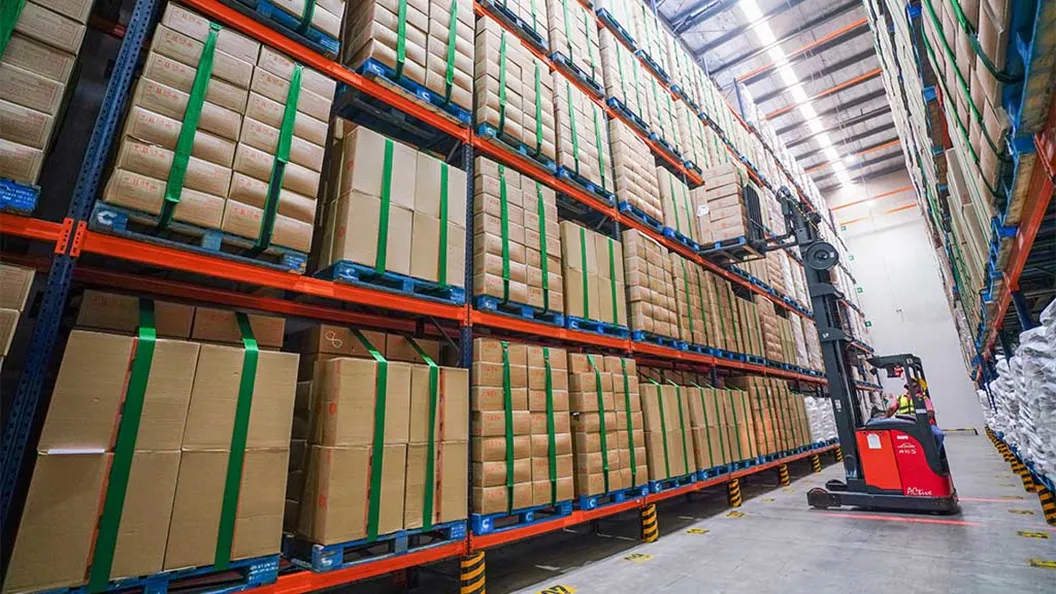
Logistics plays a central role in keeping industries operational and competitive. From raw material movement to final product delivery, efficient logistics systems ensure continuity across manufacturing, retail, healthcare, construction, and technology sectors. However, increasing globalization, demand volatility, and infrastructure constraints have introduced complex challenges that organizations must address strategically.
Modern enterprises are responding by investing in smarter logistics planning, digital transformation, and resilient operational frameworks to maintain performance in changing environments.
Understanding the Role of Logistics in Industry Operations
Industrial logistics involves coordinating transportation, warehousing, inventory control, and distribution activities across supply networks. It ensures products move efficiently from suppliers to manufacturers and ultimately to customers.
Effective logistics systems support:
- Timely product delivery
- Cost-efficient operations
- Inventory accuracy
- Production continuity
- Customer satisfaction
Organizations with optimized logistics networks maintain stronger competitiveness in dynamic markets.
Rising Transportation Costs Affect Operational Efficiency 📊
Transportation expenses continue to increase due to fuel price fluctuations, regulatory requirements, and infrastructure limitations. These costs directly influence supply chain performance and profitability.
Common contributing factors include:
- Fuel price volatility
- Vehicle maintenance expenses
- Driver shortages
- Route congestion
- Regulatory compliance costs
Organizations address these challenges through route optimization technologies and collaborative freight planning strategies.
Supply Chain Disruptions Create Delivery Uncertainty
Unexpected disruptions can delay shipments and interrupt production schedules. Weather conditions, geopolitical developments, and supplier constraints often affect logistics performance.
Mitigation strategies include:
- Developing alternative transportation routes
- Maintaining backup supplier partnerships
- Strengthening risk monitoring systems
- Improving demand forecasting accuracy
- Establishing contingency distribution centers
Prepared logistics networks respond faster to unexpected disruptions.
Warehouse Management Complexity Is Increasing 📦
Growing product diversity and customer expectations are making warehouse operations more complex. Efficient storage and retrieval processes are essential for maintaining delivery speed.
Organizations improve warehouse efficiency through:
- Automated storage systems
- Smart inventory tracking platforms
- Optimized layout planning
- Barcode and RFID integration
- Workforce productivity training programs
Modern warehouses function as strategic hubs rather than simple storage facilities.
Inventory Visibility Remains a Major Challenge
Limited visibility into inventory movement often leads to stock shortages or excess inventory accumulation. Both situations affect service performance and operational costs.
Improving visibility involves:
- Real-time inventory tracking systems
- Integrated enterprise planning tools
- Predictive demand analytics
- Centralized inventory dashboards
- Automated replenishment systems
Better visibility improves planning accuracy and reduces operational risks.
Labor Shortages Are Affecting Logistics Operations 👷
Many industries face shortages of skilled logistics workers, including drivers, warehouse operators, and supply chain coordinators.
Organizations respond by:
- Investing in workforce training programs
- Introducing warehouse automation tools
- Improving workplace safety standards
- Enhancing employee retention initiatives
- Expanding flexible workforce scheduling
These solutions help maintain operational stability despite staffing constraints.
Technology Integration Supports Logistics Efficiency 💻
Digital transformation is helping industries modernize logistics operations and improve coordination across supply networks.
Key technology solutions include:
- Transportation management systems
- Warehouse automation platforms
- Predictive analytics software
- Internet of Things tracking devices
- Cloud-based logistics dashboards
Technology-driven logistics systems improve responsiveness and reduce operational delays.
Sustainability Requirements Are Reshaping Logistics Strategies 🌱
Environmental regulations and corporate responsibility commitments are influencing how organizations manage logistics operations.
Sustainable logistics initiatives include:
- Fuel-efficient transportation planning
- Electric delivery vehicle adoption
- Packaging waste reduction programs
- Route optimization for emission reduction
- Green warehouse infrastructure investments
These initiatives support long-term operational resilience and regulatory compliance.
Last-Mile Delivery Challenges Continue to Grow 🚚
Last-mile delivery represents one of the most complex and costly segments of logistics operations. Increasing customer expectations for faster delivery add pressure on distribution networks.
Organizations improve last-mile performance through:
- Urban distribution hubs
- Real-time delivery tracking systems
- Smart route planning software
- Localized inventory positioning
- Flexible delivery scheduling options
Efficient last-mile strategies improve customer satisfaction significantly.
Data-Driven Decision-Making Improves Logistics Planning 📈
Analytics platforms help organizations optimize logistics strategies using real-time performance insights.
Benefits of data-driven logistics planning include:
- Improved route efficiency
- Better demand forecasting accuracy
- Reduced transportation delays
- Optimized inventory placement
- Enhanced supplier coordination
Data insights support proactive logistics management across industries.
Strengthening Collaboration Across Logistics Networks 🤝
Logistics performance improves when suppliers, manufacturers, and distributors coordinate effectively.
Collaboration strategies include:
- Shared forecasting information
- Coordinated shipment scheduling
- Joint infrastructure investments
- Transparent communication platforms
- Integrated supply chain performance metrics
Collaborative logistics ecosystems improve reliability and flexibility.
Frequently Asked Questions (FAQs)
1. What industries face the most logistics challenges today?
Manufacturing, retail, healthcare, construction, and e-commerce industries experience significant logistics complexity due to high delivery volume and supply chain dependencies.
2. How does infrastructure quality affect logistics performance?
Reliable roads, ports, rail networks, and distribution centers improve transportation speed and reduce delivery costs.
3. Can automation completely replace logistics workers?
Automation supports efficiency but still requires skilled workers to manage systems and oversee operations.
4. What role does predictive analytics play in logistics planning?
Predictive analytics helps organizations anticipate demand changes and prepare transportation strategies accordingly.
5. How can companies improve logistics coordination across regions?
Using centralized logistics platforms and standardized reporting systems improves coordination across multiple geographic locations.
6. Why is last-mile delivery more expensive than other logistics stages?
Last-mile delivery involves smaller shipment sizes, complex routing, and higher service expectations, which increase operational costs.
7. How often should logistics strategies be reviewed for improvement?
Organizations typically review logistics strategies annually or after major operational disruptions to ensure continued effectiveness.
Comments are closed.