

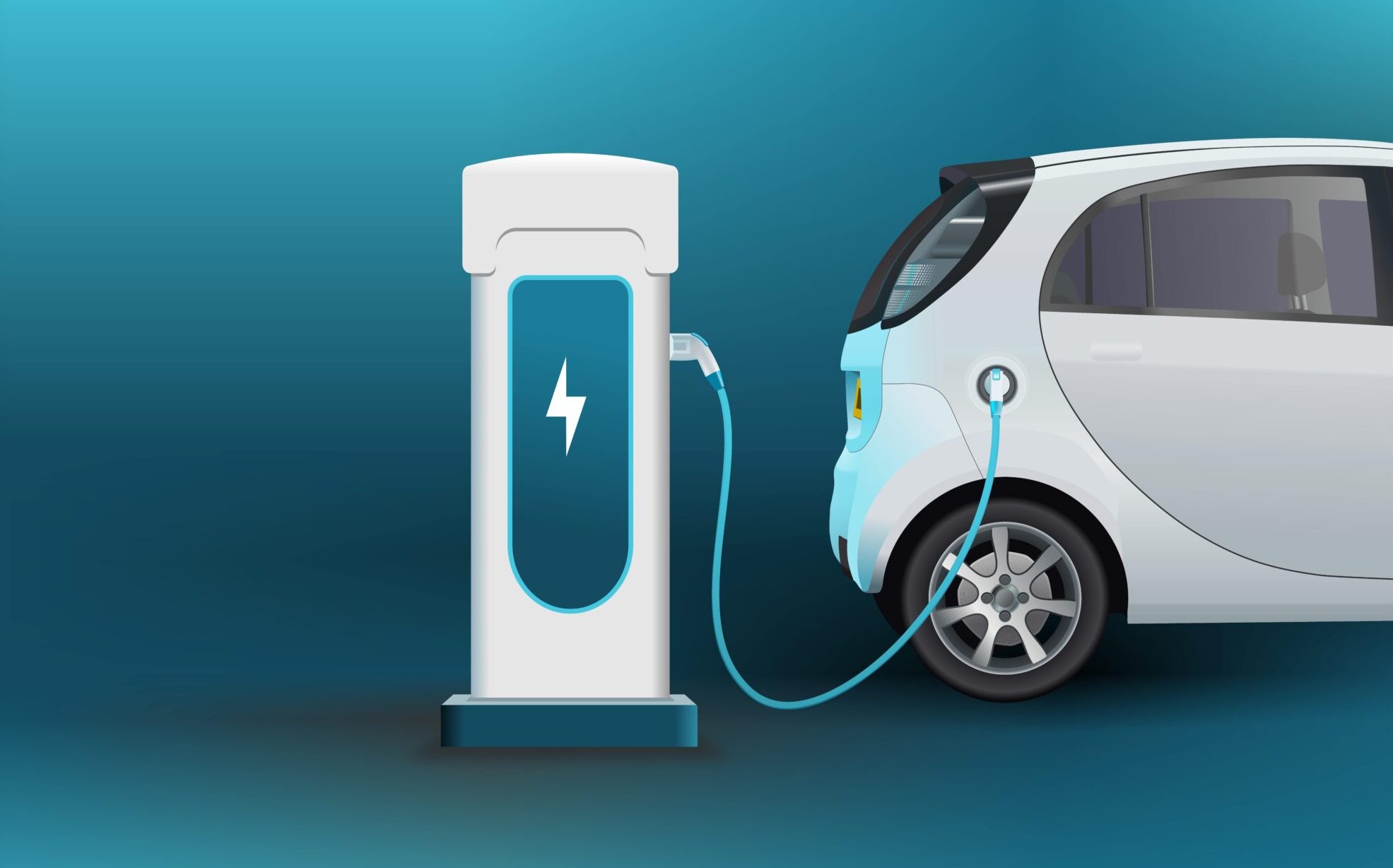
Electric vehicles (EVs) are no longer a niche alternative to traditional cars. They are reshaping how vehicles are designed, manufactured, sold, and maintained across global markets. As governments promote cleaner transportation and consumers seek sustainable mobility options, the automotive industry is undergoing one of its most important transitions in decades.
This shift is influencing everything from supply chains and dealership models to software innovation and energy infrastructure.
The Shift From Internal Combustion Engines to Electric Powertrains 🔋
For more than a century, the automotive industry depended heavily on internal combustion engine (ICE) technology. Electric vehicles are changing this foundation by replacing complex fuel-powered systems with simpler electric drivetrains.
Key differences include:
- Fewer moving parts
- Lower maintenance requirements
- Reduced emissions
- Improved energy efficiency
- Quieter driving experience
Manufacturers are now redesigning vehicles from the ground up to support electric platforms rather than modifying older engine-based models.
Battery Technology Is Driving Innovation
Battery performance is at the center of EV transformation. Improvements in battery capacity, charging speed, and durability are making electric vehicles more practical for everyday use.
Recent advancements focus on:
- Increased driving range per charge
- Faster charging capabilities
- Enhanced thermal safety systems
- Longer battery life cycles
- Reduced battery production costs
As battery technology improves, EV adoption continues to accelerate across both passenger and commercial vehicle markets.
Automakers Are Redefining Manufacturing Strategies 🏭
Electric vehicle production requires a different manufacturing approach compared to traditional vehicles. Companies are investing heavily in new factories, automation systems, and specialized supply networks.
Major changes include:
- Dedicated EV production platforms
- Increased reliance on software integration
- Partnerships with battery manufacturers
- Expansion of semiconductor sourcing
- Development of lightweight vehicle materials
These adjustments are transforming how vehicles are engineered and assembled worldwide.
Software Is Becoming the New Engine of the Industry 💻
Modern electric vehicles depend heavily on digital systems. Software now plays a central role in vehicle performance, safety features, and customer experience.
Software-driven improvements include:
- Over-the-air updates
- Smart battery management systems
- Advanced driver assistance features
- Real-time vehicle diagnostics
- Connected infotainment ecosystems
This shift is turning automotive companies into technology-driven mobility providers rather than traditional mechanical manufacturers.
Charging Infrastructure Is Expanding Rapidly 🔌
One of the most important drivers of EV adoption is the growth of charging networks. Governments and private companies are investing in public and residential charging solutions to support increasing demand.
Infrastructure developments include:
- Fast-charging highway corridors
- Urban charging stations
- Workplace charging installations
- Home charging solutions
- Smart grid integration technologies
Improved accessibility is making electric mobility more convenient for everyday drivers.
Supply Chains Are Being Rebuilt Around New Materials
Electric vehicles rely on different materials than conventional vehicles. As a result, supply chains are adapting to support battery production and electronic components.
Critical resources include:
- Lithium
- Nickel
- Cobalt
- Graphite
- Rare earth elements
Automakers are now forming strategic partnerships to secure long-term access to these materials and reduce supply risks.
Governments Are Accelerating the Transition Through Policy 🌍
Public policy is playing a major role in encouraging electric vehicle adoption. Many countries are introducing regulations and incentives to support cleaner transportation systems.
Examples include:
- Purchase subsidies for EV buyers
- Tax incentives for manufacturers
- Emission reduction targets
- Investment in charging infrastructure
- Future restrictions on gasoline vehicle sales
These initiatives are helping reshape transportation markets globally.
Dealership Models Are Evolving Alongside EV Growth
Electric vehicles require less routine maintenance than traditional cars, which is changing how dealerships operate.
New dealership strategies focus on:
- Digital-first sales experiences
- Online vehicle customization tools
- Remote diagnostics support
- Subscription-based ownership models
- Direct-to-consumer delivery options
These changes reflect shifting consumer expectations in a technology-driven mobility environment.
Environmental Impact Is Influencing Consumer Choices 🌱
Many drivers are choosing electric vehicles because of their environmental benefits. While EV production still requires energy and resources, long-term usage produces fewer emissions compared to fuel-powered vehicles.
Environmental advantages include:
- Reduced tailpipe emissions
- Lower urban air pollution
- Decreased dependence on fossil fuels
- Support for renewable energy integration
- Improved sustainability goals for cities
As awareness increases, sustainability continues to influence purchasing decisions worldwide.
New Business Opportunities Are Emerging Across the Industry
The rise of electric mobility is creating opportunities beyond vehicle manufacturing. Entire ecosystems are forming around EV technologies.
Growing sectors include:
- Battery recycling services
- Charging infrastructure development
- Energy storage solutions
- Smart mobility platforms
- Fleet electrification consulting
These industries are expanding the automotive value chain into new technological territory.
The Automotive Workforce Is Adapting to New Skill Requirements 👨🔧
Electric vehicle production requires different expertise compared to traditional engine manufacturing. As a result, companies are investing in workforce training and reskilling initiatives.
Emerging skill areas include:
- Battery engineering
- Software development
- Power electronics design
- Data analytics integration
- Autonomous driving systems support
This transition is shaping the future talent landscape of the automotive sector.
Frequently Asked Questions (FAQs)
1. Are electric vehicles more expensive to insure than traditional cars?
Insurance costs can sometimes be higher due to battery replacement expenses and specialized repair requirements, though this varies by model and location.
2. How long does an electric vehicle battery typically last?
Most EV batteries are designed to last between 8 to 15 years depending on usage patterns, climate conditions, and charging habits.
3. Can electric vehicles be charged using renewable energy at home?
Yes. Home solar panel systems can be integrated with EV charging setups to create cleaner and more cost-efficient charging solutions.
4. Do electric vehicles perform well in extreme weather conditions?
Modern EVs include thermal battery management systems that help maintain performance in both hot and cold climates.
5. Are electric vehicles suitable for long-distance travel?
Yes. Expanding fast-charging networks and improved battery ranges are making long-distance EV travel increasingly practical.
6. What happens to EV batteries after they reach the end of their lifespan?
Used EV batteries can often be repurposed for stationary energy storage or recycled to recover valuable materials.
7. How are electric vehicles influencing public transportation systems?
Many cities are adopting electric buses and shared mobility fleets to reduce emissions and improve urban air quality.
Comments are closed.