

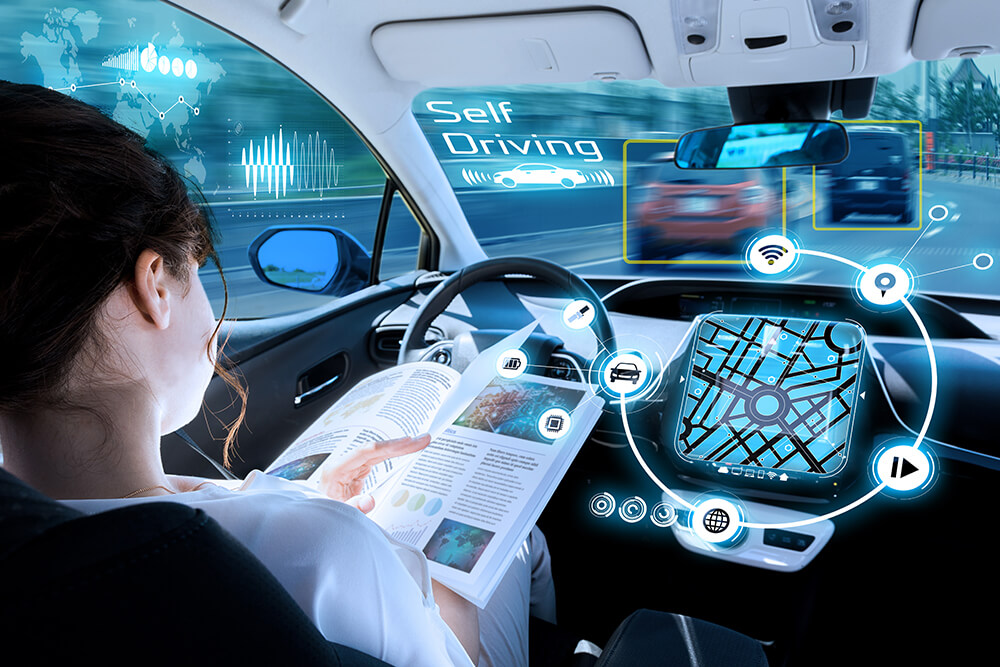
Autonomous driving technologies are rapidly changing how vehicles operate and how people interact with transportation systems. What once seemed futuristic is now becoming a practical reality as automakers, technology firms, and governments invest heavily in self-driving innovation. From advanced driver assistance features to fully automated mobility solutions, autonomous systems are reshaping the structure of the automotive industry and the future of urban transportation.
These technologies promise safer roads, improved traffic efficiency, and greater accessibility for people who cannot drive themselves.
What Autonomous Driving Technologies Mean
Autonomous driving technologies allow vehicles to sense their environment, analyze conditions, and make driving decisions without human intervention. These systems combine artificial intelligence, sensors, cameras, and mapping tools to operate safely in real-world conditions.
Core capabilities include:
- Detecting surrounding vehicles and pedestrians
- Maintaining safe lane positioning
- Adjusting speed automatically
- Responding to traffic signals
- Navigating complex road environments
Together, these features enable vehicles to move toward increasingly independent operation.
Levels of Vehicle Automation Explained 🧭
Autonomous driving is not a single technology but a progression of capability levels defined by increasing independence from human drivers.
Common automation stages include:
- Level 0: No automation (fully manual driving)
- Level 1: Driver assistance such as cruise control
- Level 2: Partial automation like lane-centering and adaptive steering
- Level 3: Conditional automation with limited self-driving capability
- Level 4: High automation in controlled environments
- Level 5: Full automation without driver involvement
Most vehicles available today operate between Levels 1 and 2, with higher levels gradually entering testing and deployment phases.
Sensors Are the Eyes of Self-Driving Vehicles 👁️
Autonomous vehicles rely on multiple sensor systems working together to understand surroundings accurately.
Key sensor technologies include:
- LiDAR for precise distance measurement
- Radar for object detection in poor visibility
- Cameras for visual recognition of signs and lanes
- Ultrasonic sensors for close-range awareness
- GPS systems for location positioning
Combining these inputs creates a detailed environmental model that supports safe navigation decisions.
Artificial Intelligence Powers Decision-Making Systems
Artificial intelligence plays a central role in interpreting sensor data and guiding vehicle actions. Instead of following fixed instructions, autonomous vehicles continuously learn from real-world scenarios.
AI-driven capabilities include:
- Predicting pedestrian movement
- Identifiying road hazards
- Recognizing traffic patterns
- Selecting safe driving routes
- Adjusting driving behavior dynamically
These systems allow vehicles to respond intelligently to changing road conditions.
Advanced Driver Assistance Systems Are Leading the Transition 🚦
Before full autonomy becomes widespread, advanced driver assistance systems (ADAS) are already improving everyday driving safety.
Examples include:
- Automatic emergency braking
- Adaptive cruise control
- Blind-spot monitoring
- Lane-keeping assistance
- Traffic sign recognition
These technologies represent important steps toward fully autonomous transportation.
Autonomous Driving Is Improving Road Safety
Human error remains one of the leading causes of road accidents worldwide. Autonomous systems aim to reduce these risks through faster reaction times and consistent decision-making.
Safety improvements may include:
- Reduced collision frequency
- Better hazard detection
- More consistent speed control
- Improved driver fatigue management
- Enhanced emergency response capability
As systems become more advanced, safety benefits are expected to increase further.
Smart Infrastructure Supports Autonomous Mobility 🌐
Autonomous vehicles perform best when integrated with intelligent transportation infrastructure. Cities are beginning to adopt technologies that communicate directly with vehicles.
Examples include:
- Connected traffic signals
- Smart intersections
- Real-time traffic monitoring networks
- Digital mapping systems
- Vehicle-to-infrastructure communication platforms
These developments help vehicles operate more efficiently within urban environments.
Logistics and Mobility Services Are Changing Rapidly 📦
Autonomous driving technologies are transforming more than personal transportation. Commercial sectors are also benefiting from automation.
Emerging applications include:
- Self-driving delivery vehicles
- Autonomous freight transport
- Robotaxi services
- Warehouse automation vehicles
- Smart fleet management systems
These innovations improve efficiency and reduce operational costs across industries.
Regulatory Frameworks Are Shaping Deployment Strategies
Governments play a major role in determining how quickly autonomous vehicles can be introduced on public roads. Regulations ensure safety standards are maintained while supporting innovation.
Key policy considerations include:
- Safety certification requirements
- Liability frameworks
- Data protection guidelines
- Infrastructure readiness standards
- Testing permissions for autonomous systems
Balanced regulation encourages both innovation and public trust.
Consumer Acceptance Is Driving Adoption Trends 👥
Public confidence is essential for the success of autonomous driving technologies. As more people experience driver-assistance features firsthand, acceptance continues to grow.
Factors influencing adoption include:
- Demonstrated safety improvements
- Transparent system performance
- Clear legal frameworks
- Affordable technology integration
- Reliable real-world testing outcomes
Trust will remain a critical factor as automation levels increase.
Economic Opportunities Are Expanding Across the Automotive Sector
Autonomous technologies are creating new opportunities for businesses beyond traditional vehicle manufacturing.
Growth areas include:
- Software development platforms
- Sensor manufacturing industries
- Mobility-as-a-service solutions
- Data analytics infrastructure
- Smart transportation ecosystems
These developments are reshaping how value is created within the transportation industry.
Frequently Asked Questions (FAQs)
1. Will autonomous vehicles eliminate the need for driving licenses in the future?
Fully autonomous vehicles at advanced automation levels may reduce reliance on traditional licenses, though regulations will determine how this transition occurs.
2. How do autonomous vehicles perform in heavy traffic conditions?
Modern systems are designed to handle stop-and-go traffic efficiently using adaptive speed control and lane-centering technologies.
3. Can autonomous vehicles communicate with each other on the road?
Yes. Vehicle-to-vehicle communication systems allow cars to exchange safety and traffic information in real time.
4. Are autonomous driving systems vulnerable to cybersecurity threats?
Manufacturers implement multiple security layers to protect vehicle software, but cybersecurity remains an ongoing area of development and monitoring.
5. How do weather conditions affect autonomous driving performance?
Extreme weather such as heavy rain or snow can affect sensor visibility, though newer systems are improving reliability in challenging environments.
6. Will autonomous vehicles reduce transportation costs over time?
Yes. Automation may lower costs through improved fuel efficiency, reduced accidents, and optimized fleet operations.
7. What industries beyond automotive will benefit from autonomous driving technologies?
Industries such as logistics, urban planning, insurance, mapping services, and telecommunications are expected to gain significant advantages from automation advancements.
Comments are closed.